When you own a car, car insurance is a legal requirement unless you've registered your vehicle as off the road (SORN). The levels of cover that you get with your insurance vary from policy to policy and from insurer to insurer.
Read on to learn about the main types of car insurance, what they each can cover, and how the excess fits into the picture.
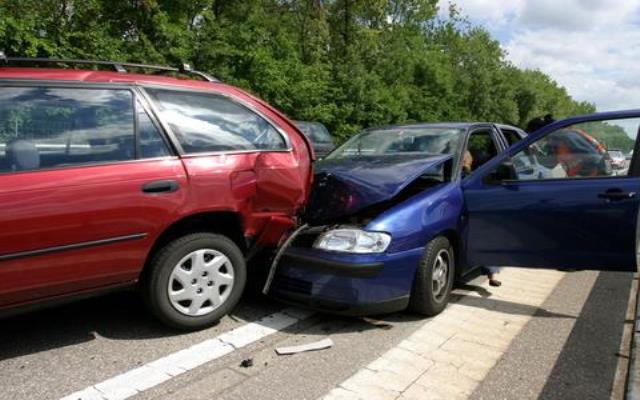
What is third party insurance?
Third party cover is the most basic form of car insurance and is the legal minimum requirement for drivers. As the name suggests, it just covers injuries or damage to third parties:
- Injuries to other people, passengers or animals.
- Damage to other people's property.
- Accidents caused by a passenger or a named driver on your policy.
- Any passengers in your car who are injured in a collision where you're at fault.
As such, third party car insurance won't cover the repairs for your own car, an injury to you, or replacement costs if your car is lost because it has been stolen or is destroyed by fire.
Third party, fire and theft (TPFT)
Third party, fire, and theft insurance – often called TPFT – provides some additional cover to third party insurance:
- If your car is stolen, damaged or written off by fire.
- In some cases, damage caused by an attempted theft (as long as you aren't at fault).
As with third party only, you aren't covered for damage to your car or an injury you might suffer if it is your own fault.
Third party or third party, fire and theft car insurance can sometimes be the cheapest option, and may appear attractive to young drivers who have older, low value cars. However, young drivers are seen by insurers as high-risk and as a result the cost of third-party options can be more expensive than a comprehensive policy. Plus, not every insurer offers third party or third party, fire and theft insurance.
Compare with comprehensive cover
Comprehensive insurance
You can expect comprehensive car insurance policies to cover everything included in TPFT insurance, but it can also cover damage done to your car.
Some policies may also provide cover for your windscreen, personal contents such as a sat-nav, medical costs (up to a specified amount), using a trailer fixed to your car, while others might include a courtesy car or include comprehensive cover if you drive your car outside the UK.
Not all will include these benefits while others may offer them at an additional cost so it is important that you check that the policy you choose includes everything that you want or expect it to.
Compare with third party, fire and theft cover
Compulsory and voluntary excesses
If you make a claim, insurers will typically require you to pay a certain amount of money towards the cost of repairing the damage when you make a claim. This is called the excess and it's made up of two parts, compulsory and voluntary.
For example, if you make a claim for £700 worth of damage and your combined compulsory and voluntary excess is £200, you will be responsible for £200 of the cost and the insurer meets the remaining £500.
In cases where you weren't at fault for the claim, insurers are likely to waive the excess because they will be able to meet the cost from the other driver's policy and cover the entire cost. However, this might not be a standard part of the policy, therefore you should check before making a claim.
Compulsory excess
This is determined by the insurer and you have to pay this amount in order to make a claim. The compulsory excess may be relatively higher if you are a young or new driver due to the higher risk of being involved in an accident, while expensive vehicles can also command a higher compulsory excess.
Voluntary excess
This is the amount you are willing to pay towards a claim. The motivation for increasing your voluntary excess is that it may well lead to a reduction in your car insurance premium, but there is usually both a maximum and minimum voluntary excess you can opt for.
So the level of cover depends on the type of car insurance you choose and the amount you pay towards the costs of a claim. Plus the policy details can differ between insurers.
The cost of your policy will depend on a wide range of factors, like your age, the job that you do, where you keep the car, if there are any other named drivers on your policy, and the car insurance group your vehicle is in.
It can therefore be helpful to consider exactly what you need from your car insurance, and to be sure to compare policies when getting a quote.


