Secured vs unsecured loans
Discover what unsecured and secured loans are

Buying a car is a major purchase, and many drivers rely on financing to make it more affordable. The two main ways to spread the cost are car finance and personal loans. Each option has advantages depending on your financial situation, credit score, and preference to own the vehicle outright.
Understanding the difference between car loans vs car finance can help you make an informed decision that suits your lifestyle and financial objectives. In this guide, we’ll look at how each option works, their pros and cons, and how to choose the one that’s right for you.
Car finance enables you to spread the cost of a new or used car over time, rather than paying the full amount up front. You’ll usually pay a deposit, followed by monthly repayments that include interest. The total amount you pay and whether you’ll eventually own the car depend on the type of finance you choose.
There are three main types of car finance:
Under a Hire Purchase agreement, you’ll typically pay a deposit followed by fixed monthly repayments over a set term. After the final payment, including any option-to-purchase fee, ownership transfers to you.
HP can be a good choice if you want to own the car at the end of the agreement and prefer predictable payments.
PCP gives you more flexibility. Like HP, you’ll pay a deposit and monthly instalments, but these payments cover the car’s depreciation (how much value it loses) rather than its full cost.
At the end of the term, you’ll have three options:
PCP can work well if you like to change cars every few years or want lower monthly payments.
With a car lease, you’re essentially renting the vehicle for a set time. You’ll make fixed monthly payments and return the car at the end of the agreement. You won’t own the vehicle, but you also won’t need to worry about depreciation or selling it later.
While servicing and maintenance typically aren’t included in the base lease cost, many providers offer optional plans for an additional fee to cover routine upkeep.
Leasing suits drivers who want a new car regularly and prefer convenience over ownership.
A car loan (also known as a personal loan or bank loan) lets you borrow a fixed amount of money to buy a car outright. You then repay the loan in monthly instalments over an agreed term, usually between one and seven years, with added interest.
Tip: Always check the APR (Annual Percentage Rate) and total amount repayable before agreeing to a loan. This helps you see the full cost of borrowing and compare deals easily.
Both car finance and car loans can help you get behind the wheel, but they work in different ways. Here’s how they compare side by side, so you can see which option fits you best.
| FAQ | Car Finance | Car Loan (Personal Loan) |
|---|---|---|
| Who owns the car? | With HP and PCP, the lender owns it until all payments (or the final balloon payment) are made. In a car lease, the lender retains ownership for the duration of the contract, though some providers may offer you the option of buying the car at the end. |
You own the car from the start. |
| Do I need to pay a deposit? |
Yes, most car finance options usually require a deposit. | Not always, and you may be able to borrow the full amount if approved. |
| How much will I pay each month? | Fixed monthly payments based on the finance type, term, and deposit. | Fixed payments based on loan amount, term, and rate. |
| Can I end the agreement early? | Unlimited, no penalties | Unlimited, no penalties |
| Are there mileage limits? | Yes, mileage limits often apply to PCP and car leasing. Exceeding them can incur charges. There are no mileage limits on HP. | No mileage limits. |
| Can I modify or sell the car? | Not until you own it, so you'd need the lender's permission to modify it during the agreement. | Yes, you can modify, sell, or trade the car at any time because you own it outright. |
| How does it affect my credit score? | Regular payments help build your credit, but missed payments can harm it. | As with car finance, regular payments help build your credit, but missed payments can harm it. |
| What happens at the end of the agreement? | With HP, you own the car once the final payment is made. With PCP, you can return it, pay the final balloon payment to keep it, or trade it in for a new deal. With leasing, the car is returned at the end of the term. | You repay all monthly instalments to close the loan. You already own the car, so it's yours to keep or sell. |
Like most borrowing options, car finance has its advantages and drawbacks. Understanding both can help you decide if it’s the right fit for your budget and lifestyle.
A personal car loan gives you full ownership and flexibility, but like any borrowing option, it comes with both benefits and considerations to weigh up before you decide.
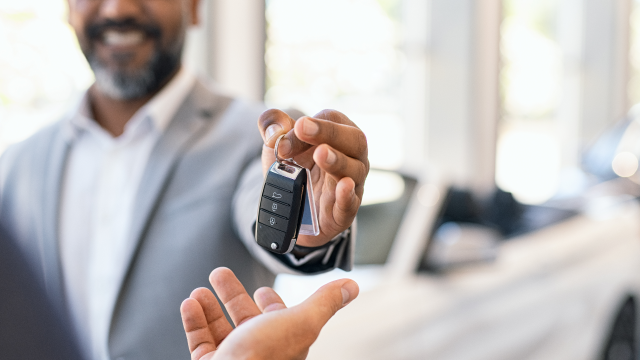
Deciding between car finance and a car loan depends on your goals, budget, and how you plan to use your car. The right option should fit comfortably with your lifestyle and give you confidence in how you’re spending your money.
Before you decide, think about:
A car finance agreement can make sense if you’d rather pay a smaller amount upfront and keep your monthly payments predictable. It’s also a practical option if you prefer to change your car more frequently without worrying about selling it, especially if you’re exploring used car finance to spread the cost of a second-hand model.
A personal loan may work better if you value full ownership from the start and want flexibility over how you use, sell, or maintain your car. It’s often a straightforward route if you plan to keep your vehicle long-term and have access to a competitive rate. It can also be a simple way to fund a used car purchase – a car loan for used cars gives you the freedom to buy directly from a dealer or private seller, with no mileage or usage restrictions.
Tip: If you’re unsure which option suits your budget, try our AA Car Finance Calculator or check your eligibility in minutes. It’s quick, easy, and won’t affect your credit score.
Whether you’re buying a car on finance or taking out a car loan to spread the cost, our borrowing options give you freedom to choose what suits your budget and lifestyle.
You can apply for an unsecured personal loan with The AA and NatWest Boxed if you:
You can use our loan calculator to see what your repayments might look like, check your car finance eligibility.
You’ll also find plenty of support beyond finance. Explore our car buying guides, insurance options, and breakdown cover to help keep you protected and informed wherever your journey takes you.
It depends on your priorities. A personal loan gives you ownership from day one and complete flexibility over how you use or sell your car. Car finance (such as HP or PCP) can make sense if you prefer lower upfront costs and predictable monthly payments. The better option is the one that fits your budget and long-term plans.
The smartest way is the one that keeps your finances comfortable. If you have savings, paying outright avoids interest costs. If not, spreading the cost through a car finance plan or personal loan can make buying more manageable, as long as the repayments suit your budget.
Both depend on your credit history and affordability. Some lenders find car finance easier to approve because the vehicle acts as security. A personal loan may require a stronger credit score, as it's an unsecured borrowing option. Checking your eligibility for car finance with The AA can help you see your options without affecting your credit score.
In most cases, both can be arranged quickly, often within a few days. Car finance through a dealer or provider, such as The AA, may be completed on the same day. Personal loans may take slightly longer, typically within a few days, depending on the lender.
Sometimes. Car finance agreements may include fees for early repayment, missed payments, or exceeding mileage limits (on PCP and leasing). Personal loans can also have early settlement charges. Always review the terms before signing to avoid any surprises later.
Both involve fixed monthly payments over a set term. With a personal loan, you typically borrow a lump sum and repay it with interest until the balance is cleared. With car finance, you pay for the car over time, and ownership usually transfers once the final instalment is made, depending on the type of agreement.
With a personal loan, you can choose your own car insurance, as the vehicle is already yours. For car finance, most lenders require you to have fully comprehensive car insurance throughout the agreement, since the vehicle isn’t fully yours until all payments are made